
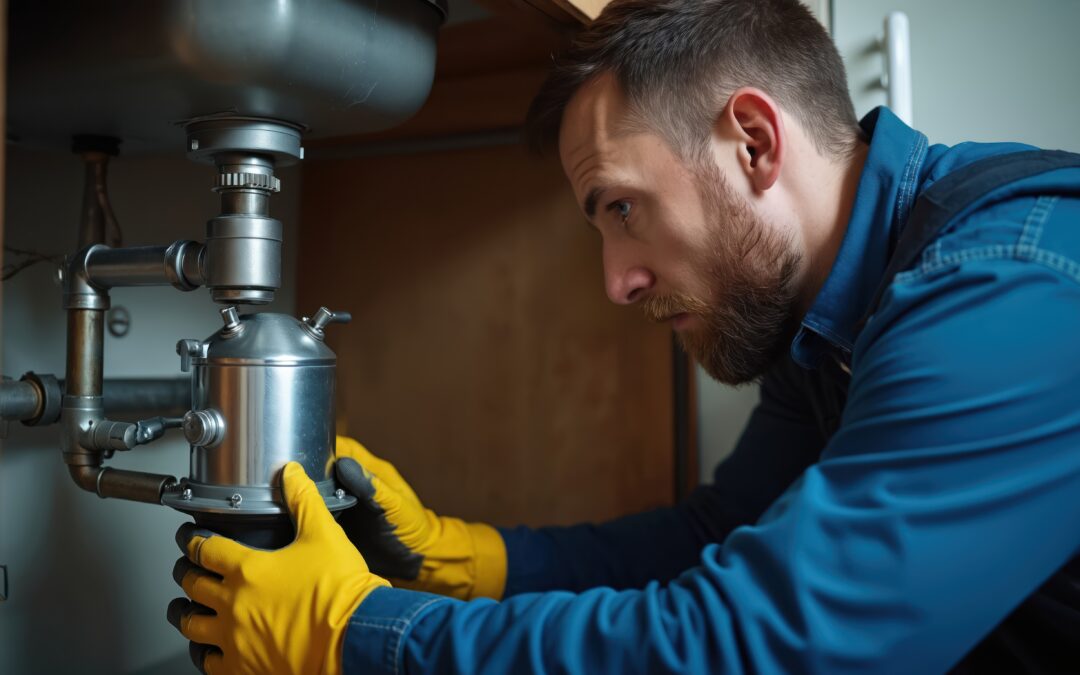
Garbage disposals are a must-have in most kitchens, making cleanup quicker and more convenient. But when things go wrong—like a foul smell, a clog, or a jammed disposal—it can be frustrating. Don’t worry, though! With the right care and a little know-how, your disposal can work smoothly for years.
In this guide, we’ll walk you through everything you need to know: how to clean your garbage disposal, how to unclog it, and what not to put down the drain.
How to Clean Your Garbage Disposal
Regular cleaning of your garbage disposal not only helps it run efficiently but also prevents unpleasant odors. Here are some easy and effective ways to keep your disposal in top shape.
- Turn Off the Power First
Before you clean or do any work on your disposal, always make sure to turn off the power. Either unplug the unit or switch off the circuit breaker to ensure you’re working safely.
- Scrub and Flush the Inside
Use a long-handled brush or sponge to scrub the inside of the disposal. You can find special brushes made just for this job at most home improvement stores. For a deep clean, pour 1/2 cup of baking soda into the disposal followed by 1 cup of white vinegar. Let it sit for about 10 minutes—this bubbling reaction helps break down built-up grease and debris. Afterward, run hot water for about 30 seconds to flush everything through.
- Ice Cubes and Salt to Sharpen the Blades
To give your disposal blades a bit of a sharpen and clean, grind ice cubes with a handful of salt in the disposal. The ice helps scrape off gunk stuck to the blades, and the salt provides a gentle abrasive action to clean and freshen the inside.
How to Unclog a Garbage Disposal
A clogged garbage disposal can be a major inconvenience, but with a little elbow grease, you can often fix it yourself. Here’s how to clear up a jammed or clogged disposal:
- Turn Off the Power
Always make sure the disposal is off before trying to fix it. You don’t want to risk injury while troubleshooting.
- Check for Visible Blockages
Use a flashlight to look inside the disposal for any obvious blockages like large food scraps, utensils, or other debris. If you spot something, grab some tongs or pliers (never your hands) to remove it.
- Use a Plunger
If there’s no visible blockage but the disposal is still clogged, fill your sink with a little bit of water and use a plunger. Give it a few strong plunges to help loosen any stuck debris.
- Free the Blades Using a Wrench
Many disposals have a small hex-shaped hole on the bottom of the unit for an Allen wrench (often included when you buy the disposal). Insert the wrench into the hole and turn it back and forth. This can help free the blades if they’re stuck from debris.
- Call a Professional Plumber
If your efforts to unclog the disposal don’t work or if you hear strange noises, it might be time to call in a professional plumber. They have the tools and expertise to quickly clear stubborn clogs and fix any underlying problems.
What NOT to Put Down Your Garbage Disposal: The Do’s and Don’ts
One of the best ways to keep your garbage disposal in great shape is to avoid putting the wrong items down it. While it might be tempting to toss just about anything into the disposal, certain items can cause serious problems. Here’s a list of what you should never put down your garbage disposal.
- Grease, Oil, and Fats
Grease and oils may seem liquid at first, but they can solidify in your pipes and cause clogs. This can lead to bigger plumbing issues down the road. Instead, dispose of grease in a container and throw it in the trash.
- Fibrous Vegetables (Celery, Corn Husks, etc.)
Vegetables with long, fibrous strands like celery, corn husks, and asparagus can get tangled in the blades, causing jams. Throw these in the compost or trash instead.
- Coffee Grounds and Egg Shells
Even though coffee grounds may seem harmless, they can actually create a thick, sludge-like buildup in your pipes. Eggshells don’t grind well in disposals and can create a gritty texture in your pipes. Thess can cause a clog that’s tough to clear. Consider composting or tossing those in the trash.
- Rice and Pasta
Rice and pasta expand when they come into contact with water. They can form a sticky paste in your pipes, leading to serious blockages. Always dispose of these in the trash.
- Non-Food Items
Your garbage disposal is not a trash can for paper towels, plastic, glass, or metal. These items can jam the disposal or damage the motor. Stick to food waste only.
Why Proper Disposal Care Matters
Taking good care of your garbage disposal not only prevents clogs and jams but also extends the life of the appliance. Regular cleaning helps eliminate odors and keeps the motor running smoothly. Knowing what to put down the drain and what to avoid will save you from expensive repairs in the future.
If your garbage disposal ever gets stuck or you’re unsure of how to handle a problem, don’t hesitate to reach out to a professional plumber. At Shelby Mechanical, we specialize in garbage disposal repairs and maintenance, ensuring your kitchen stays running smoothly.
Need Help? Contact Us!
If you’re having trouble with your garbage disposal or need maintenance, give us a call today at 586-726-9444. Our expert plumbers are always ready to provide fast, friendly, and reliable service. Let us keep your kitchen clean, fresh, and problem-free!