
Tankless Water Heater vs Traditional Water Heater: Which Is Right for Your Home?
If you’re considering a water heater replacement, one of the biggest decisions you’ll face is choosing between a tankless water heater and a traditional tank water heater. Both options have their advantages, and the right choice depends on your home’s needs, budget, and long-term goals. This guide breaks down the key differences so you can make a confident, informed decision.
What Is a Tankless Water Heater?
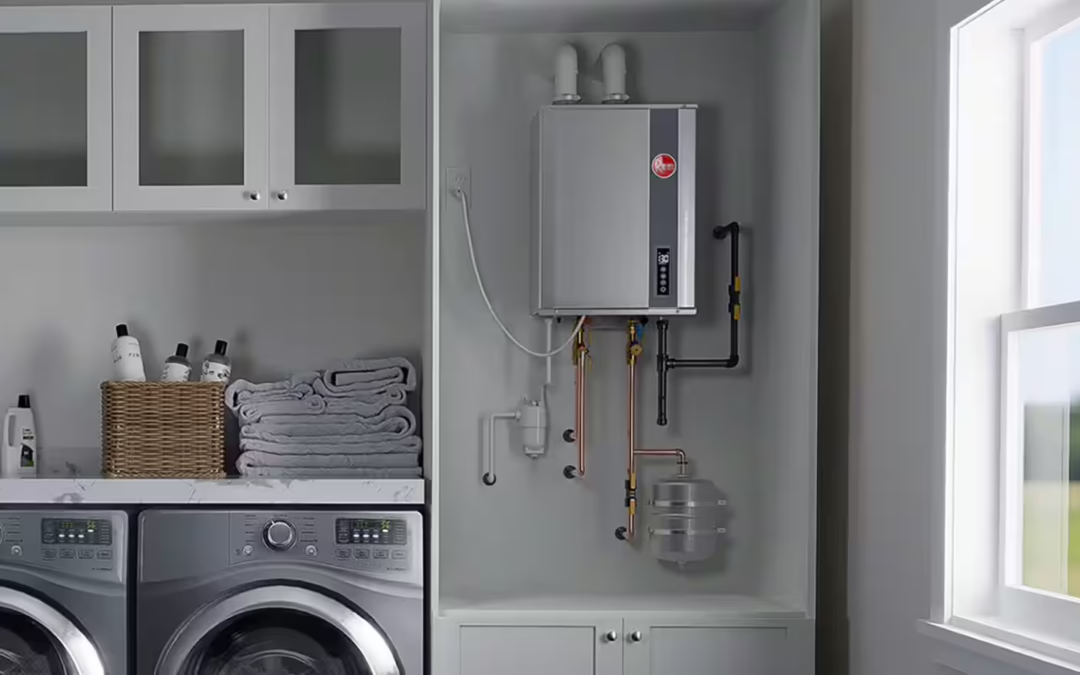
A tankless water heater (also called an on-demand water heater) heats water only when you need it. Instead of storing hot water in a tank, it uses high-powered heating elements to deliver a continuous supply.
Key Benefits of Tankless Water Heaters:
- Endless hot water on demand
- Higher energy efficiency
- Compact, space-saving design
- Longer lifespan than traditional tanks
For households with high hot water usage, this can be a game changer.
What Is a Traditional Tank Water Heater?
A traditional water heater stores and heats a set amount of water in a tank, typically ranging from 30 to 80 gallons. Once the hot water runs out, you’ll need to wait for the tank to refill and reheat.
Key Benefits of Tank Water Heaters:
- Lower upfront installation cost
- Simpler system with easier maintenance
- Reliable performance for smaller households
This option remains a popular and budget-friendly choice for many homeowners.
Tankless vs Tank Water Heater: Key Differences
Energy Efficiency
Tankless systems are generally more energy-efficient because they only heat water when needed. Traditional tanks continuously heat stored water, which can increase energy usage.
Upfront Cost vs Long-Term Savings
Tankless water heaters typically have a higher installation cost, especially if upgrades to gas lines or electrical systems are required. However, they often lead to lower energy bills over time. Traditional tanks cost less upfront but may have higher operating costs in the long run.
Lifespan and Durability
A tankless water heater can last up to 20 years or more, while traditional tank systems usually last 8–12 years. That longer lifespan can make tankless systems a better long-term investment.
Hot Water Supply
If your household frequently runs multiple showers, appliances, and fixtures at once, a tankless system provides a continuous flow of hot water. Traditional tanks can run out, especially during peak usage times.
Which Water Heater Is Best for Your Home?
Choosing between a tankless vs traditional water heater depends on your specific needs:
Choose tankless if you want:
- Energy efficiency
- Long-term savings
- Unlimited hot water
Choose a traditional tank if you prefer:
- Lower upfront costs
- Simpler installation
- Reliable performance
A professional plumber can evaluate your home’s plumbing system, water usage, and budget to recommend the best option.
Professional Water Heater Installation Matters
No matter which system you choose, proper installation is critical. Incorrect installation can reduce efficiency, shorten lifespan, and even create safety risks. Working with a licensed plumbing company like Shelby Mechanical ensures your water heater installation is done safely, up to code, and built to last.
Final Thoughts: Make the Smart Investment
Upgrading your water heater is one of the best ways to improve your home’s comfort and energy efficiency. Whether you go tankless or traditional, the key is choosing a system that fits your lifestyle and having it installed by experienced professionals.
If you’re considering a water heater upgrade or replacement, Shelby Mechanical is here to help with expert guidance and reliable installation services. Contact us today for a free estimate and find the right water heater for your home.